
Electrical Panel Replacement
Safe and Efficient for Homes and Businesses
Nashville and Surrounding Areas
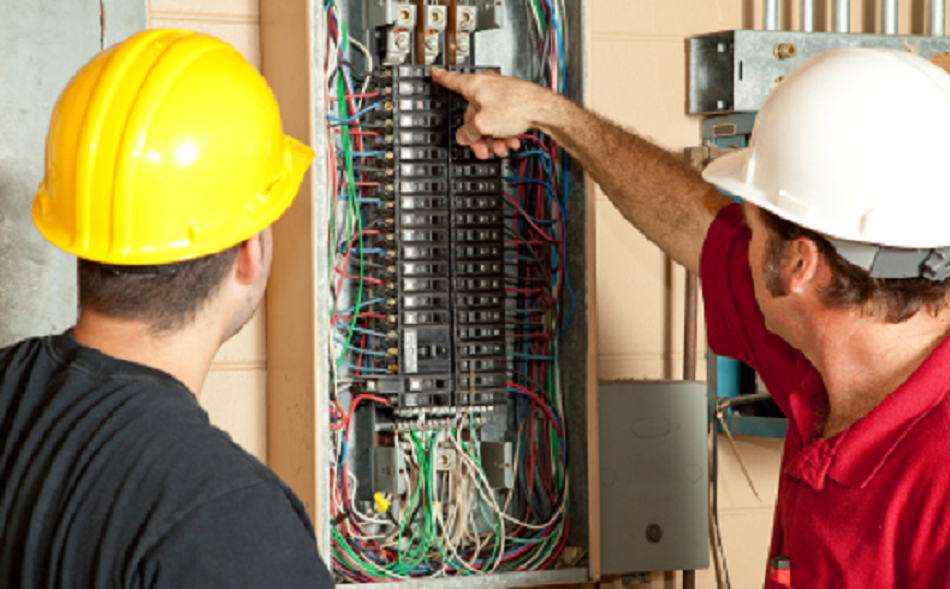
Top 7 Signs That Indicate You Need an Electrical Panel Replacement
Every homeowner dreads the thought of electrical problems, yet many overlook the critical signs that signal a need for repair or replacement of their electrical panel. Understanding these warning indicators can save you from potential hazards and expensive repairs down the line.
An outdated or malfunctioning electrical panel can lead to frequent circuit interruptions, dimming lights, and even overheating appliances, presenting both safety risks and inefficiencies in your home. Electrical systems must keep pace with the demands of modern life, and ignoring subtle changes can result in more severe issues like electrical fires or equipment damage.
In this article, we will explore the top seven signs that indicate it’s time for an electrical panel replacement. Recognizing these signs is the first step toward ensuring your home remains safe, efficient, and capable of meeting your electricity needs.
Frequent Circuit Breaker Tripping: A Major Red Flag
Frequent circuit breaker tripping is a major red flag for your home’s electrical system. It often signals an overloaded system or issues with the electrical panel or wiring. If breakers trip regularly, your electrical panel may be too small to handle your home’s demands.
Older homes, built 30 to 40 years ago, often have outdated panels. These panels may struggle with modern electrical needs, causing frequent breaker trips.
Malfunctions in the panel can pose serious risks. Breakers might fail to trip during an overload, leading to electrical fires or other hazards. Regular dimming or brownouts of lights also indicate an undersized panel.
Here are some warning signs to watch for:
- * Frequent breaker tripping.
- * Consistent dimming or brownouts.
- * Panel older than 30 years.
- * Overloaded electrical system.
Ignoring these signs can be dangerous. Consult a licensed electrician to evaluate your system. Upgrading your electrical panel ensures safety and meets your home’s power needs.
| Age of Home | Potential Issue |
| 30-40 Years | Undersized Electrical Panel |
| 10-20 Years | Possible Malfunctions |
| New Build | Overloaded System Risk |
Proper maintenance and upgrades can prevent electrical issues and enhance safety.
Dimming or Flickering Lights: Power Supply Problems
Dimming or flickering lights can often indicate electrical panel issues, especially if they occur when high-powered devices like microwaves or hair dryers are in use. If your lights flicker frequently and aren’t connected to a dimmer switch, it could be a sign of problems with your electrical supply or panel. In older homes, increased appliance usage may overload an outdated panel with limited circuits.
Consistent flickering may suggest that the panel is undersized for your home’s electrical demands, particularly with modern appliances.
Common Signs of Electrical Panel Issues:
- * Frequent flickering: when using multiple appliances.
- * Lights dimming: without a dimmer switch.
- * Increased flickering: in older homes.
Addressing these issues is crucial, as ignoring them could lead to more significant electrical faults and potential safety hazards, including electrical fires.
| Issue | Possible Cause |
| Dimming with appliance use | Overloaded electrical panel |
| Frequent flickering | Undersized panel or old circuits |
| Light changes unrelated | Electrical supply issues |
If you notice these signs, it’s wise to consult a licensed electrician. They can assess the situation and recommend necessary upgrades or replacements to ensure your home is safe and efficient.
Outdated Panel Design: Keeping Up with Electrical Demands
Outdated electrical panels, such as the split-buss design from the mid-20th century, often fail to meet today’s electrical demands. These older panels can be prone to overloads, posing significant safety risks. Additionally, some panels manufactured by certain companies have been discontinued due to major safety concerns.
If your home has one of these, it is crucial to consider an electrical panel replacement. Modern homes use more electrical devices, requiring adequate support from the electrical system.
An outdated panel can’t handle increased demands, leading to potential hazards like overheating or even electrical fires. Upgrading your panel addresses these concerns and enhances energy efficiency by ensuring proper power distribution.
Consider these benefits of upgrading your electrical panel:
- * Safety: Minimizes risks of electrical fires.
- * Efficiency: Reduces wear on wiring and energy costs.
- * Future-proofing: Accommodates more devices and increases property value.
Below is a comparison of panel types for reference:
| Panel Type | Capacity | Best Use Case |
| Split-buss | <100 amps | Discontinued |
| 200-amp panel | Moderate demand | Typical homes |
| 400-amp panel | High demand | Large or upgraded homes |
Updating your panel is key to keeping up with today’s electrical demands.
Physical Signs of Wear: Rust and Heat Detection
Electrical panels are crucial to your home’s safety and function. Over time, they can show signs of wear and tear. Look out for these indicators:
- Rust and Corrosion:
- * Panels are often exposed to moisture, leading to rust.
- * Corrosion, especially on the panel’s back, can weaken its integrity.
- Heat and Smell:
- * A warm panel is a sign of trouble.
- * Unusual smells like burning odors suggest frayed or exposed wiring.
- * These issues present a high fire risk.
- Blackening and Odors:
- * Blackened areas or metallic smells may indicate sparks or arcing.
- * Immediate replacement is necessary to prevent fires.
Inspection Tips:
- * Regularly check for rust and heat signs.
- * Listen for buzzing or clicking sounds from outlets.
When to Act:
- * If you notice any of these signs, contact a licensed electrician.
- * Immediate action can prevent severe damage and ensure safety.
Keeping a watchful eye on your electrical panel can maintain the safety and efficiency of your home’s electrical system. Regular maintenance is key, especially as panels age.
Overheating Appliances: A Cry for Help
If your appliances are overheating, it might be a sign of a problem with your electrical panel. Loose wiring connections can lead to overheating and arcing, which pose a fire hazard. If your electrical panel feels hot or gives off a burning smell, it could be unsafe to use and may need replacement.
Crackling or buzzing noises are also warning signs. They may indicate that the panel is not tripping as it should, possibly due to wire failure. This can lead to serious issues like house fires. Frequent breaker trips when using appliances suggest that the current electrical system might be overloaded.
Here are some signs your electrical panel needs attention:
- * Hot to the touch
- * Burning smell
- * Crackling or buzzing sounds
- * Frequent breaker trips
If your panel can’t handle high-energy appliances, it increases the risk of overheating. This calls for a thorough evaluation or replacement by a licensed electrician. Don’t ignore these warning signs—ensure your home is safe and meets electrical codes.
Consider upgrading to a 200-amp or even a 400-amp panel to handle your energy demands. Always consult experienced electricians to prevent electrical fires and avoid costly issues down the road.
Increased Reliance on Electricity: Modern Needs, Modern Solutions
As technology advances, homes find it hard to keep up with electricity needs. Many older buildings have electrical panels with low amperage ratings. This means they can’t handle today’s appliances. Common signs of an overworked electrical panel include flickering lights and slow-charging devices.
Here are signs that your home might need an electrical panel upgrade:
- * Flickering or dimming lights.
- * Slow device charging.
- * Frequent tripping circuit breakers.
- * Use of multiple power strips.
Homes from several decades ago also tend to have fewer outlets, which can lead to circuit overloads from too many power strips. It’s important to replace the electric panel and add more circuits for safety and efficiency. For those experiencing regular tripping breakers, it may mean the old system can’t support today’s electric demands.
Upgrading to a smart electrical panel can solve these issues and provide homeowners control over their energy use. This allows them to manage their electricity from a mobile device, meeting modern needs.
Switching to a 200-amp or even a 400-amp panel can prevent further electrical issues. Licensed electricians can assess your household’s needs, ensuring safety and compliance with electrical codes.
Frequent Brownouts: Time for a Change in Your Electrical System
Frequent brownouts in your home can be more than just a minor inconvenience. If your lights dim or flicker, especially when using appliances like hair dryers or air conditioners, it may suggest you need an electrical panel replacement and the panel is undersized for your home’s demands. This problem is common in homes over 25 years old, as they might not be designed to handle the power needs of today’s gadgets.
An overloaded panel not only leads to brownouts but also increases the risk of electrical fires due to overheating. If brownouts are a frequent nuisance, it’s crucial to consult a licensed electrician to assess your panel’s capacity. Here are key reasons to consider an electrical panel upgrade:
- * Frequent Brownouts: Sign of an overload.
- * Increased Energy Costs: Suggests inefficiencies.
- * Older Homes: May not handle modern demands.
Upgrading to a modern 200-amp or even a 400-amp panel can help meet current electrical needs safely and efficiently. Contact Pro Electrical Services, we’re professional electricians who have the experience you need.